Business Details
50+ Years
experience
Premier Suzuki Music Education in New York City
Founded in 1970, The School for Strings has established itself as New York's premier Suzuki-based institution for musical education. Our mission is rooted in the belief that every child can achieve mastery of music through a nurturing environment, expert guidance, and active parental involvement. With decades of experience, we offer comprehensive programs in violin, cello, and piano, designed to cultivate technical proficiency, artistic expression, and a lifelong love for music. Our faculty comprises internationally recognized pedagogues and performers who bring global expertise to our teaching methodologies.We emphasize a collaborative triangle of student, parent, and teacher, ensuring personalized attention and structured progression. Our two-year teacher training seminars, approved by the Suzuki Association of the Americas, reflect our commitment to advancing music education standards. From early childhood introduction to advanced performance training, our curriculum prepares students for professional careers while fostering holistic development. The school's legacy of excellence is evidenced by generations of alumni who have become accomplished musicians and educators worldwide.

Services
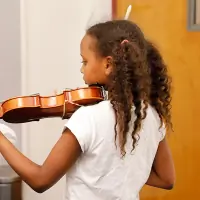
Violin Program
Cello Program
Piano Program
Teacher Training
Early Childhood Music
Start-Up Program
Details
- Year established: 1970
Highlights and features
- Established in 1970 as New York's first Suzuki-dedicated institution
- Faculty includes internationally recognized pedagogues and performers
- Two-year teacher training program approved by Suzuki Association of the Americas
- Comprehensive curriculum from early childhood introduction to advanced performance
- Proven parent-involvement methodology for effective skill development
Associations and certifications
- Suzuki Association of the Americas
Services
Violin Program
Our Violin Program offers structured Suzuki-based training from beginner to advanced levels. Students receive private lessons, group classes, and orchestra participation while developing technical proficiency and musical expression. The curriculum emphasizes parental involvement through observation and home practice supervision.
Cello Program
The Cello Program combines individual instruction with ensemble training to build technical mastery and musical interpretation. Students participate in group performances and receive specialized training in posture, bowing techniques, and repertoire development through the Suzuki method.
Piano Program
Our Piano Program teaches fundamental keyboard skills through Suzuki pedagogy, integrating private instruction with group musicianship classes. Students develop sight-reading, ear training, and performance abilities while building a strong technical foundation for classical repertoire.
Teacher Training
The two-year Teacher Training Program provides comprehensive Suzuki pedagogy education in violin, cello, and piano. Participants engage in weekly seminars, observation hours, and supervised teaching while studying performance techniques and Suzuki philosophy under master instructors.
Early Childhood
Designed for ages 1-4, this program introduces musical fundamentals through rhythmic games, instrument exploration, and movement activities. Classes focus on developing listening skills, coordination, and foundational music theory while preparing children for future instrumental study.
People
Allen Lieb
Violin Department Head
M.M. in Violin Performance with 40+ years of Suzuki pedagogy experience. Teacher-Trainer with SAA since 1981, trained directly under Dr. Shinichi Suzuki in Japan. Chair of SAA Violin Committee and recipient of the Samuel Antek Award for Music Education.
Marina Obukovsky
Piano Department Head
Head of Piano Department with Master of Music from Kharkov Conservatory. Recipient of the American Suzuki Journal's 'Superhuman Ear' recognition. Maintains a full studio of pre-college pianists and has taught at international music festivals across five continents.
Alexander Yudkovsky
Executive Director
Juilliard-trained violinist with extensive leadership experience in arts education. Former Chairman of Harlem School of the Arts Music Department and founder of Lighthouse Chamber Players festival. Holds graduate degrees from Juilliard and CUNY Graduate Center.
Alex Croxton
Cello Faculty
Cello instructor with performance credentials from Peabody Institute and SUNY Purchase. Recipient of Atlanta Music Club and American String Teachers Association awards. Combines Suzuki pedagogy with chamber music expertise from Banff Centre residency.
Marta Abraham-Nagyi
Piano Faculty
Hungarian-born pianist with Masters Diploma Summa cum Laude from Franz Liszt Academy. Specializes in Kodly method integration and has performed as soloist with MV Symphony Orchestra in Budapest. Chamber music specialist with international festival experience.
Questions
What age does The School for Strings accept students?
We accept students from 1 year old for early childhood programs up to 18 years old for advanced instrumental training.
Is parental involvement required for music lessons?
Yes, our Suzuki method requires parent participation in lessons and daily practice supervision to create the essential learning triangle between teacher, student, and parent.
What instruments are offered in the teacher training program?
Our accredited teacher training program covers violin, cello, and piano pedagogy through two-year seminars approved by the Suzuki Association of the Americas.
Does the school offer financial assistance options?
While we don't offer traditional financial aid, our Start-Up Program provides introductory study at reduced costs with instruction from supervised teaching candidates.
How does the early childhood program prepare students for instruments?
Our Early Childhood Program develops rhythm, melody recognition, and motor skills through interactive games and pre-instrumental activities that establish foundational musical understanding.
What performance opportunities exist for students?
Students participate in regular recitals, orchestra performances, and ensemble classes. Advanced students gain experience through outreach programs and community performances.
Videos