
Business Details
17 Years
experience
Affordable Psychotherapy Services in Minneapolis
Founded in 2009, the MPSI Psychotherapy Center was established by mental health clinicians and community leaders to expand access to psychoanalytic psychotherapy for underserved populations. Located in South Minneapolis, our center provides low-cost, intensive therapy services rooted in psychodynamic principles, free from insurance constraints. We specialize in treating anxiety, depression, trauma, grief, relationship challenges, and life transitions through individual and couples therapy. Our approach emphasizes understanding unconscious patterns, early childhood experiences, and relational dynamics to foster lasting change. As a division of the Minnesota Psychoanalytic Society and Institute (MPSI), a 501(c)3 nonprofit, we combine clinical excellence with community service.Our team includes postgraduate fellows and licensed therapists who receive rigorous supervision and training, ensuring high-quality care at accessible rates. We maintain a commitment to evidence-based practices, demonstrated through our ongoing patient outcome studies using the OQ-45 assessment tool. By integrating academic, clinical, and community perspectives, we create a therapeutic environment where patients can explore complex emotional patterns and achieve meaningful personal growth.
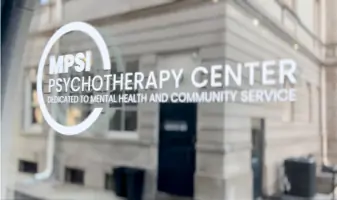


Services
Psychotherapy
Couples Therapy
Trauma Counseling
Psychodynamic Therapy
Postgraduate Fellowships
Remote Sessions
Intake Assessments
Clinical Supervision
Patient Outcome Studies
Community Referrals
Details
- Year established: 2009
Highlights and features
- We offer therapy sessions priced by ability to pay, ranging $20$75
- Our clinicians receive weekly individual and group supervision
- We maintain a 2500+ annual hour commitment to direct patient care
- Our treatment approach addresses unconscious patterns and relational dynamics
- We accept patients through community referrals and therapist partnerships
Services
Psychoanalytic Psychotherapy
Our psychodynamic therapy explores unconscious patterns shaping behavior through weekly sessions. Therapists examine early childhood experiences and relational dynamics to resolve recurring life challenges. Patients gain self-awareness and break cycles of emotional distress through this evidence-based approach.
Postgraduate Fellowships
Twelve-month training program for therapists offering supervision, coursework, and hands-on practice. Fellows receive weekly individual and group supervision while providing low-cost therapy. Program includes 30 weeks of psychoanalytic theory instruction and practical application.
Trauma Counseling
Specialized treatment for trauma survivors using psychodynamic frameworks to process painful experiences. Therapists help patients understand how past trauma influences current behavior patterns. Treatment focuses on transforming traumatic memories into narratives of personal growth and resilience.
Couples Therapy
Intensive therapy for relationship challenges addressing communication patterns and emotional dynamics. Therapists explore how individual histories shape relational interactions. Sessions help couples develop healthier connection patterns and resolve recurring conflicts through psychodynamic insights.
Remote Sessions
Virtual therapy options available for continued care accessibility. Sessions maintain the same psychodynamic approach through secure telehealth platforms. Remote format preserves treatment continuity for patients facing logistical challenges while ensuring therapeutic depth and effectiveness.
People
Hal Steiger
Executive Director
Clinical psychologist leading MPSI's mission to expand accessible psychotherapy. With decades of mental health experience, he oversees clinical operations and training programs while maintaining active supervision of fellows and staff therapists.
Beverly Caruso
Clinical Director
Licensed social worker directing clinical services and fellowship programs. She coordinates therapist training, supervises staff, and manages patient care quality assurance while maintaining active involvement in community mental health initiatives.
Emma Lux
Clinical Fellow
Doctoral psychology student specializing in body image and self-esteem issues. Provides therapy while completing clinical training, focusing on lifespan development and therapeutic approaches that integrate mind-body connections for holistic healing.
Alexa Nelson
Clinical Fellow
Master's social work candidate offering trauma-informed care through anti-oppressive frameworks. Specializes in working with queer, trans, and BIPOC communities to address relationship dynamics and emotional complexity in non-judgmental therapeutic spaces.
Lucky O'Kern
Clinical Fellow
MSW candidate practicing from intersectional systems perspectives. Focuses on gender, sexuality, and trauma intersections using narrative and relational psychodynamic approaches to create inclusive therapeutic environments for marginalized populations.
Questions
How do I schedule an appointment?
Call (612) 824-3800 and leave your name, number, and reason for contact. An intake coordinator will return your call within 1-2 business days to schedule your initial session.
What is psychodynamic therapy?
This approach explores unconscious patterns, childhood experiences, and relational dynamics to resolve emotional distress. Therapists examine how past experiences shape current behaviors through weekly sessions focused on personal growth.
Are therapy fees flexible?
Fees range $20–$75 per session based on ability to pay. We use sliding-scale pricing determined during intake assessments to ensure treatment accessibility for all income levels.
Do you accept insurance?
We operate as a fee-for-service center without insurance billing. This allows greater therapeutic flexibility while maintaining confidentiality and control over treatment decisions.
How long does therapy last?
Treatment duration varies by individual needs. Some patients complete therapy in months, while others engage in longer-term work. Your therapist will discuss expected timelines during initial sessions.
What research supports your methods?
Our approach is evidence-based, with patient outcomes tracked using the OQ-45 assessment tool. Studies show statistically significant symptom reduction through our psychodynamic treatment model.