Business Details
50+ Years
experience
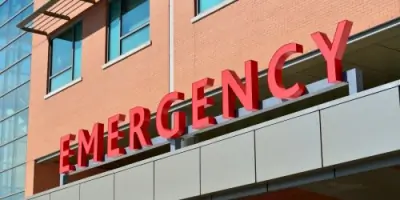
Emergency
services
Your Trusted Veterinarian in Snellville, GA
For over five decades, Gwinnett Animal Hospital has been a cornerstone of veterinary care in Snellville, Georgia. Established in 1973, our hospital combines a rich legacy of expertise with a commitment to advancing our knowledge through continuous professional development. We adhere to the highest standards of care, as evidenced by our accreditation from the American Animal Hospital Association (AAHA) and certification as a Cat Friendly Practice. Our team of dedicated veterinarians and support staff prioritizes preventative care, advanced diagnostics, and compassionate treatment, ensuring pets receive comprehensive health management tailored to their unique needs.With state-of-the-art facilities and a focus on holistic and conventional medicine, we partner with pet owners to promote longevity and well-being. Our AAHA accreditation reflects our dedication to excellence in surgery, emergency services, and client education, setting us apart as a trusted leader in veterinary medicine for both local and regional communities.
Services
Wellness Exams
Pet Vaccinations
Dental Care
Surgical Procedures
Urgent Care
Pet Boarding
Diagnostic Imaging
Senior Pet Care
Pain Management
Behavioral Counseling
Details
- Year established: 1973
Highlights and features
- AAHA-accredited facility meeting rigorous veterinary care standards.
- Certified Cat Friendly Practice reducing feline stress during visits.
- Emergency care available during regular business hours for urgent needs.
- Team maintains expertise through ongoing education in conventional & holistic medicine.
- Advanced diagnostics and surgical capabilities with modern equipment.
Associations and certifications
- American Animal Hospital Association (AAHA)
- Cat Friendly Practice
What people say
Highest standard of care
Top notch professionals
Trusted healthcare partner
Compassionate treatment
Recommended highly
Services
Wellness Exams
Comprehensive physical examinations detect early health issues in pets. Our nose-to-tail assessments identify subtle changes in behavior or physiology that pets instinctively hide. Age-specific evaluations for puppies, adult pets, and seniors emphasize preventive care to extend healthy lifespans. Regular exams include vaccination updates, parasite screenings, and tailored health advice for pet owners.
Surgical Procedures
Skilled veterinary surgeons perform routine and complex operations using advanced equipment. Services include spays/neuters, mass removals, orthopedic repairs, and emergency surgeries. Pre-anesthetic bloodwork and multi-modal pain management ensure patient safety. State-of-the-art techniques like laparoscopic surgery reduce recovery times while maintaining precision in soft tissue and dental procedures.
Urgent Care
Priority treatment for non-life-threatening pet emergencies during regular hours. Conditions like vomiting, injuries, and infections receive prompt attention. For after-hours critical care, we coordinate referrals to 24-hour specialists while providing initial stabilization guidance. Diagnostic tools including X-rays and blood analysis enable immediate assessment of urgent health threats.
Diagnostic Imaging
Advanced imaging technologies rapidly identify internal health issues. Digital X-rays detect fractures, dental problems, and organ abnormalities. Ultrasound provides detailed soft tissue views for abdominal and cardiac evaluations. Specialized tests like electrocardiograms monitor heart function, while tonometry checks eye pressure to prevent glaucoma complications in at-risk breeds.
Senior Pet Care
Comprehensive health monitoring for aging pets through bi-annual exams and bloodwork. Early detection of arthritis, kidney disease, and metabolic disorders improves treatment outcomes. Tailored nutrition plans and pain management strategies address mobility issues. Our team helps owners navigate end-of-life care decisions with compassion and clinical expertise.
People
Kathryn Padgett, DVM
Veterinarian, Medical Director
Dr. Padgett leads veterinary operations with decades of experience in small animal medicine. Her focus on patient-centered care combines traditional diagnostics with preventive strategies. She supervises the hospital's continuing education program to maintain clinical excellence.
Pam Zaidspiner, DVM
Veterinarian
Dr. Zaidspiner specializes in feline medicine and behavior. As part of the Cat Friendly Practice initiative, she implements stress-reduction protocols for cats during exams. Her expertise improves comfort for both feline patients and their owners during veterinary visits.
Bradley Harris, DVM
Veterinarian
Dr. Harris focuses on surgical techniques and pain management. His experience with both routine and complex procedures ensures precise interventions. He advocates for pre-operative assessments to minimize surgical risks for all patients.
Kevin Brantly, DVM
Veterinarian
Dr. Brantly manages urgent care cases with emphasis on rapid diagnostics. His emergency response training prepares him for critical situations requiring immediate intervention. He coordinates after-hours referrals while maintaining daytime emergency availability.
Alex Dhom, DVM
Veterinarian
Dr. Dhom specializes in dental procedures and oral surgery. His approach combines anesthesia safety protocols with post-operative care strategies. He educates owners on home dental hygiene to prevent periodontal disease progression.
Questions
How often should my pet have an exam?
Annual exams for most pets, bi-annual for seniors. Puppies/kittens need more frequent visits during their first year for vaccinations and developmental checks.
Why does my pet need dental cleaning?
Prevents bad breath, reduces systemic infection risks, and avoids expensive treatments. 85-92% of pets over 3 have periodontal disease requiring professional intervention.
What happens during dental cleaning?
Full mouth assessment under anesthesia with bloodwork, tartar removal, and charting. Includes monitoring for gum disease and tooth abnormalities during the procedure.
What constitutes a pet emergency?
Life-threatening conditions like seizures, uncontrolled bleeding, difficulty breathing, or trauma from accidents. Schedule immediate evaluation for these critical symptoms.
How safe is pet surgery?
Pre-anesthetic testing identifies risks while round-the-clock monitoring ensures recovery. Pain management protocols and modern techniques maintain patient safety for all procedures.
When should I consider spaying/neutering?
Most pets at 6 months old. Benefits include population control, behavioral improvements, and long-term health advantages like reduced cancer risks.