
Business Details
Trusted Bankruptcy Lawyers in Maryland & DC
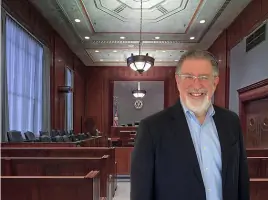
The Weiss Law Group has dedicated over four decades to advocating for consumers and small businesses facing financial distress. Our practice focuses on halting foreclosures, garnishments, and creditor harassment through tailored bankruptcy solutions. With deep expertise in Chapter 7, 13, 11, and Subchapter V proceedings, we provide strategic legal representation to individuals and businesses in Maryland and Washington, D.C.Our founder, Brett Weiss, combines extensive litigation experience with a commitment to client education, having co-authored authoritative texts on bankruptcy law and advised Congress on debt-related policies. We prioritize transparent communication, personalized case management, and long-term financial recovery, ensuring clients retain control over their assets while navigating complex debt challenges.


Services
Chapter 7 Bankruptcy
Chapter 13 Bankruptcy
Chapter 11 Bankruptcy
Subchapter V Bankruptcy
Chapter 12 Bankruptcy
Debt Restructuring
Creditor Harassment Defense
Foreclosure Defense
Tax Debt Relief
Business Bankruptcy
Highlights and features
- We have over 40 years of experience in bankruptcy law.
- Our team stops foreclosures, garnishments, and creditor harassment.
- We provide personalized legal strategies for debt relief.
- Our attorney is a nationally recognized bankruptcy expert.
- We offer proven solutions for complex financial situations.
What people say
Outstanding and Caring
Top consumer bankruptcy attorneys
Calmed My Fears
Nationally known
Dedicated to solving problems
Services
Chapter 7 Bankruptcy
Chapter 7 Bankruptcy eliminates unsecured debts through asset liquidation, providing a fresh start for individuals. This process discharges obligations like credit card debt while preserving essential assets. Eligibility requires passing a means test and completing credit counseling. Most clients retain homes, vehicles, and personal property.
Chapter 13 Bankruptcy
Chapter 13 Bankruptcy restructures debts into a 3-5 year repayment plan, stopping foreclosures and garnishments. Individuals with regular income can retain assets while repaying creditors. The automatic stay halts collection actions immediately upon filing, protecting co-signers from debt pursuit.
Chapter 11 Bankruptcy
Chapter 11 Bankruptcy reorganizes business debts, allowing debtors to modify mortgages and extend repayment terms. This process enables businesses and individuals to retain control while restructuring financial obligations. Complex cases require experienced counsel to navigate court requirements and creditor negotiations.
Subchapter V Bankruptcy
Subchapter V Bankruptcy streamlines debt restructuring for small businesses under $7.5 million in debt. This process eliminates the absolute priority rule, allowing business owners to retain equity. A court-appointed trustee oversees repayment plans while debtors maintain operational control.
Chapter 12 Bankruptcy
Chapter 12 Bankruptcy provides debt relief for family farmers and fishermen with seasonal income. This process allows repayment of agricultural debts over five years while retaining operational assets. Eligibility requires deriving over 50% of income from farming or fishing activities.
People
Brett Weiss
Managing Member
Brett Weiss is a nationally recognized bankruptcy attorney with 40+ years of experience. He co-authored 'Chapter 11 for Individual Debtors' and lectures on bankruptcy law. His practice focuses on complex debt restructuring for individuals and businesses.
Deb Watson
Paralegal
Deb Watson has 30 years of legal experience in workers' compensation, insurance defense, and personal injury cases. She holds degrees in political science and business administration, supporting clients with administrative and legal expertise.
Questions
What is the difference between Chapter 7 and Chapter 13 bankruptcy?
Chapter 7 eliminates unsecured debts through asset liquidation, while Chapter 13 restructures debts into a 3-5 year repayment plan. Chapter 7 requires passing a means test, whereas Chapter 13 requires regular income.
Can bankruptcy stop foreclosure proceedings?
Yes, filing bankruptcy triggers an automatic stay that immediately halts foreclosure actions, giving debtors time to catch up on mortgage payments through Chapter 13 or retain property in Chapter 7.
Will I lose my assets in bankruptcy?
Most clients retain essential assets like homes and vehicles through exemptions. Chapter 13 allows debtors to keep all property, while Chapter 7 exemptions protect necessary possessions from liquidation.
How does bankruptcy affect credit scores?
While bankruptcy initially lowers credit scores, it allows debtors to rebuild credit by eliminating overwhelming debt. Many clients receive credit offers within months of discharge and improve scores through responsible financial habits.
Can businesses file for bankruptcy?
Yes, businesses can file Chapter 11 or Subchapter V to restructure debts while continuing operations. These chapters allow renegotiation of leases, contracts, and tax obligations to restore financial stability.
Videos