
Business Details
Emergency
services
Expert Eyelid & Facial Plastic Surgery in Indianapolis
Klapper Eyelid & Facial Plastic Surgery is a specialized practice led by board-certified, fellowship-trained ophthalmic plastic and reconstructive surgeons with decades of combined experience. Our team focuses exclusively on advanced surgical techniques for the eyelids, tear ducts, eye socket, and mid/upper face, addressing both cosmetic and reconstructive needs. We prioritize patient education, personalized care, and evidence-based outcomes, supported by our extensive publications in peer-reviewed journals and leadership roles in prestigious ophthalmology organizations.Our commitment to excellence is reflected in our meticulous approach to pre- and post-operative care, use of cutting-edge techniques, and dedication to achieving functional and aesthetic improvements for every patient.
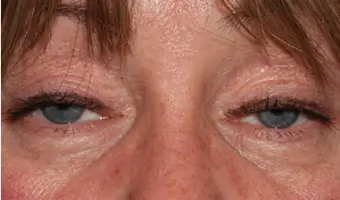
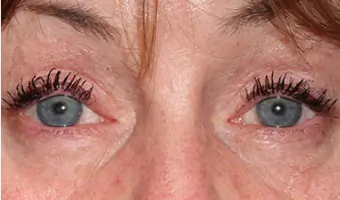
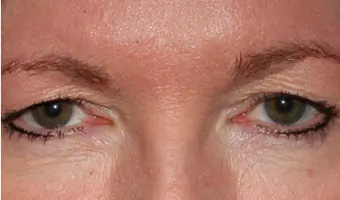
Services
Blepharoplasty
Ptosis Repair
Tear Duct Surgery
Facial Lesions
Reconstruction
Highlights and features
- Board-certified, fellowship-trained surgeons specializing in eyelid and facial plastic surgery
- Pioneers in advanced techniques for ptosis repair and tear duct surgery
- Published experts in oculofacial surgical journals and textbooks
- Personalized care with detailed pre- and post-operative guidance
- Recognized leaders in ophthalmology with national organizational roles
Associations and certifications
- American Board of Ophthalmology
- American Society of Ophthalmic Plastic and Reconstructive Surgery
What people say
Best eyelid specialist
Kind and patient
Excellent care
Miracle results
Top doctors
Services
Blepharoplasty
Blepharoplasty removes excess skin and fat from upper or lower eyelids to improve vision or achieve a youthful appearance. Ideal for patients with droopy eyelids or under-eye bags, this procedure enhances both function and aesthetics. Recovery typically involves minimal discomfort managed with Tylenol and 1-3 weeks of swelling reduction.
Ptosis Repair
Ptosis repair corrects drooping upper eyelids by tightening the levator muscle, restoring vision and symmetry. This technically demanding procedure requires specialized expertise to ensure proper eyelid positioning. Patients often need ocular lubrication post-surgery and may require follow-up adjustments in 3-5% of cases.
Tear Duct Surgery
Dacryocystorhinostomy (DCR) creates a new tear drainage pathway for blocked ducts, resolving chronic tearing and infections. Performed with local or general anesthesia, this outpatient procedure achieves success rates above 90% but may require stent placement for 6 months during healing.
Facial Reconstruction
Specialized reconstruction addresses defects from eyelid/facial skin cancer removal, prioritizing functional restoration and cosmetic outcomes. Techniques vary based on defect size and location, often requiring coordination with Mohs surgeons for optimal cancer treatment and tissue preservation.
Thyroid Eye Disease Treatment
Orbital decompression surgery alleviates proptosis (bulging eyes) from thyroid eye disease by expanding the eye socket. This complex procedure requires careful nerve preservation and may involve multidisciplinary care to address vision-threatening complications and improve ocular alignment.
People
Stephen R. Klapper
Ophthalmic Plastic and Reconstructive Surgeon
Dr. Klapper is a board-certified, fellowship-trained ophthalmic plastic surgeon with over 25 years of experience. He is a past president of the Indiana Academy of Ophthalmology and has authored numerous peer-reviewed publications on eyelid and facial surgery techniques.
Colin Bacorn
Ophthalmic Plastic and Reconstructive Surgeon
Dr. Bacorn specializes in oculofacial plastic surgery with fellowship training in complex eyelid and orbital procedures. He brings expertise in both cosmetic enhancements and reconstructive solutions for trauma or disease-related defects.
Questions
How long does healing take after eyelid surgery?
Most swelling improves in 1-3 weeks, though full healing may take months. Patients typically return to work in 3-10 days depending on procedure complexity.
What anesthesia options are available?
Office procedures use local anesthesia; surgeries use IV sedation or general anesthesia based on complexity and patient needs.
Are results guaranteed?
While we strive for optimal outcomes, individual healing varies. Our team prioritizes realistic expectations during consultations.
How are risks managed?
Preoperative assessments, detailed post-op instructions, and 24/7 emergency access minimize complications like vision changes or infections.
Is insurance coverage available?
Medically necessary procedures like ptosis repair may be covered, while cosmetic surgeries typically are not.