Business Details
Emergency
services
Protecting Battle Creek's Water Resources Through Community Partnership
We are a collaborative partnership dedicated to protecting and preserving water resources in the Battle Creek area. Established through the joint efforts of municipalities, educational institutions, and local government agencies, our organization focuses on water quality monitoring, pollution prevention, and community education. Our quarterly meetings bring together stakeholders to address environmental challenges, implement protective measures, and promote sustainable practices.We operate the EGLE Pollution Emergency Alert System for reporting environmental emergencies, provide educational resources about the water cycle, and coordinate volunteer initiatives to engage the public in watershed protection. Our work emphasizes the importance of community involvement in maintaining healthy waterways for future generations.
Services
Water Protection
Pollution Reporting
Environmental Education
Hazardous Waste Disposal
Volunteer Coordination
Highlights and features
- We coordinate quarterly meetings with 12+ local government and educational partners
- We operate the EGLE Pollution Emergency Alert System for environmental emergencies
- We provide comprehensive water cycle education and pollution prevention resources
- We organize volunteer initiatives and educational programs for all age groups
- We maintain partnerships with local schools and federal facilities for watershed protection
Services
Water Protection
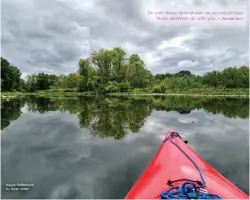
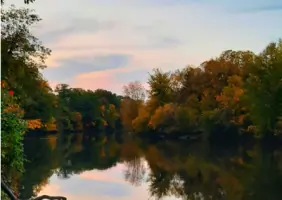
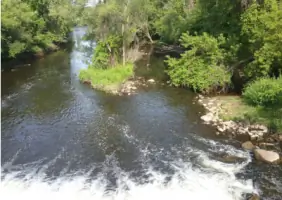
Our water protection initiatives focus on preserving local waterways through collaborative partnerships and community engagement. We implement monitoring programs, coordinate pollution prevention efforts, and maintain the Kalamazoo River Watershed health. Our work ensures safe recreational use of waterways and protects groundwater sources for residential and agricultural needs.
Pollution Reporting
We operate the EGLE Pollution Emergency Alert System for reporting spills and environmental hazards. Our 24/7 hotline connects citizens with response teams for immediate action on suspicious spills, discolored waterways, and leaky tanks. This service protects public health and prevents contamination of surface and groundwater sources.
Environmental Education
Our educational programs explain the water cycle, groundwater storage, and pollution prevention techniques. Through workshops, online resources, and school partnerships, we teach residents about proper disposal of automotive fluids, septic system maintenance, and reducing chemical runoff into storm drains.
Hazardous Waste Disposal
We coordinate four annual Household Hazardous Waste collection events for safe disposal of automotive fluids, pesticides, and oil-based paints. Our program provides guidelines for identifying hazardous materials and offers alternatives like latex paint recycling and proper septic system maintenance to prevent groundwater contamination.
Volunteer Coordination
We organize volunteer opportunities including waterway cleanups, photo contests, and educational outreach. Our initiatives engage residents in monitoring local water quality, reporting environmental concerns, and participating in quarterly meetings that shape regional water protection policies.
Questions
How do I report a suspected environmental spill?
Call 911 for immediate response or contact the EGLE Pollution Emergency Alert System at 800.292.4706 for non-urgent situations.
What should I do with used motor oil?
Contact local auto parts stores for disposal options or bring it to one of our four annual Household Hazardous Waste collection events.
How can I identify oil-based paint?
Check labels for 'Alkyd' or 'Oil-based' terms, combustible warnings, or ingredients like mineral spirits and petroleum distillates.
What causes brown tap water?
Rusting pipes in municipal systems or private wells with high iron content. Contact our Water Division at 269-966-3481 for testing.
How can I prevent fertilizer runoff?
Follow application instructions carefully, use phosphorus-free fertilizers, and consider native plant landscaping to reduce chemical use.
Are grass clippings harmful to waterways?
Yes, due to phosphorus content. Mulch clippings or sweep them back onto lawns instead of letting them enter storm drains.
Videos